Love Maniac Keyboard and Controller Play: A Practical Setup Guide
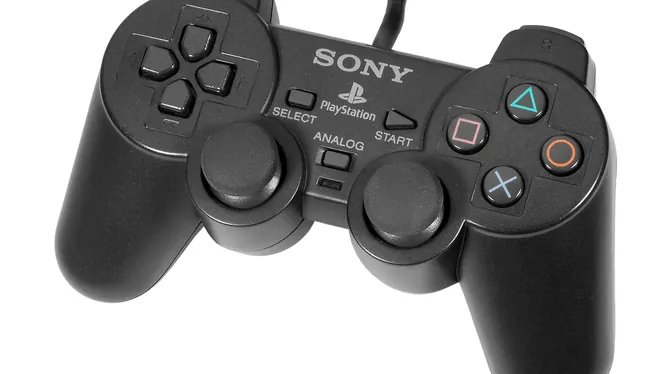
Set up keyboard and controller style play for Love Maniac on Android with this guide to input choices, Bluetooth checks, precision differences, and comfort habits.

Understand the story structure and character writing of Love Maniac with this spoiler-light guide to parody tone, encounter writing, choices, and replay storytelling.
Love Maniac is a parody before it is anything else, which means its story works on two levels: the events on screen, and the affectionate argument those events make about the RPG conventions they imitate. Players who know the genre being parodied get extra jokes; players who do not still get a complete, playable story.
That double structure is the fan project charm. Nothing in the writing requires outside knowledge, but every layer of familiarity a player brings is rewarded with another line landing properly.
Parody also explains the game confidence about its adult themes: a parody aimed at grown ups about grown up genre habits can carry a Flirt option in its menu without apology, because its audience contract was honest from the store page onward. Love Maniac never pretends to be for everyone, which is exactly why its story can be itself.
For the complete homepage guide, visit Love Maniac APK for Android phones.
Two levels:
In this structure, battles are not interruptions of the story; they are where much of it happens. Opponents introduce themselves through pattern design and choice responses, and character is revealed in how an encounter fights, talks, and reacts to Act and Flirt choices across its turns.
Judging the story therefore means judging encounters whole: patterns, menu text, responses, and resolution together. Reading only cutscenes, if any player does, misses the authored centre of the game.
Pattern design as character deserves one more example in principle: a timid opponent pattern hugs the edges, a bully pattern charges the centre, and players feel personalities before a single response is read. When Love Maniac later gives that opponent lines, the lines confirm what the dodging already taught.
Story location:
Characters in a choices-forward RPG are written in reactions. How an opponent responds to interaction, to the parody option, and to direct attack constitutes most of their characterisation, and two players can honestly remember the same opponent differently because they provoked different writing.
This is why completionist players replay: unchosen options are unwritten character. The story size of the game is therefore larger than any single playthrough shows.
This reaction based writing also explains why two reviews of the same character can read like reviews of strangers. Both reviewers are reporting honestly; they simply interrogated different people wearing the same sprite, and the game intended that divergence from the first draft.
The choice mechanics behind the writing are explained in our gameplay guide.
Reaction writing:
The parody tone balances comedy against genuine battle menace. Patterns are honestly dangerous while the writing winks, and that contrast is the house style: take the dodging seriously and the script lightly, and the game lands exactly as intended.
Tone whiplash is the risk the design accepts. Players who want uninterrupted solemnity or uninterrupted jokes should calibrate expectations now rather than mid playthrough.
Tone balance:
Your character in battle is a heart-like soul: silent, small, and expressive only through movement. That abstraction is a storytelling choice. The soul cannot speak during patterns, so its courage is measured in dodges, and its personality in the choices made between them.
Minimal protagonists invite projection, and fan games lean on that invitation hard. What the soul did in a hard battle becomes the player story, retold in those terms.
The soul silence also shapes the emotional register: because the protagonist cannot answer back mid battle, victories feel earned physically rather than argued verbally. Love Maniac endings therefore land in the hands as much as in the heart, which is rare even among story games.
Silent lead:
Response text after choices is where the script concentrates its best lines: jokes, tells, and small character beats all live there. Players who tap through responses unread are skipping the densest writing in the game to save seconds they did not need.
Slow down for any response that changes. Changed text is the game signalling new material, and new material is the closest thing a compact RPG has to a cutscene budget.
Presentation is covered in our pixel-art parody style guide.
Response value:
Choices games spoil differently: the damage is not learning an event, it is learning which unchosen option was funnier, deeper, or stranger. Community discussion around Love Maniac deserves the same care as plot spoilers in a film, especially for a compact game new players finish in days.
When recommending the game, praise its writing in general terms and let new players discover their own response favourites. That restraint is the kindest marketing a parody game can receive.
Spoiler care also extends to screenshots and gallery talk in community spaces. An image can spoil a choice outcome as surely as a sentence, and in an adult themed game it can breach the discretion rules at the same time, a double discourtesy in a single post.
Etiquette:
A second playthrough of a choices game resembles rereading a favourite short novel: the text is the same, the reader is not. Opposite choices reveal new responses, and familiar ones land differently with the ending already known.
Short length is the enabling feature here. A compact parody can be reread whole, which is a pleasure long RPGs structurally deny their fans.
Rereading has a craft benefit for aspiring writers in the audience: a compact game whose responses can all be held in memory is a masterclass in economical character writing. Fan games like Love Maniac teach structure that enormous scripts hide under their own scale.
Rereading joys:
Fan writing brings a fan freedoms: total sincerity about its influences, jokes only a devotee would write, and no committee smoothing. It also brings fan limits: uneven polish and references worn proudly on its sleeve. Both halves are the authentic product, and this site judges it as exactly that.
Players calibrated for fan work usually love it. Players expecting studio production values should adjust before judging a free parody by the wrong standard.
Fan limits also include the charming one: a team writes the jokes it cannot stop itself writing, including the ones only twelve people will get. Commercial editing would delete those jokes. Their survival is part of what the audience came for.
Fan work honestly:
The story suits legal-age players who enjoy genre aware comedy, compact narratives, and games that respect a short evening. It does not aim at children, at players seeking explicit content in text form, or at anyone wanting a hundred hour epic, and it is refreshingly honest about all three.
Fit matters more than quality in recommendations. The right player for this parody will defend it warmly; the wrong player was never going to be persuaded by any review, including this one.
Best fit:
Endings in a choices game are verdicts on the player as much as on the story: the route you habitually chose is written into what the game finally says back to you. That mirror quality is why endings in Love Maniac provoke unusually personal reactions, and why players argue about them with a heat out of proportion to the game length.
It also makes endings worth earning twice. A player who only knows one verdict knows one judgement; the opposite run delivers the other, and the truth of the game lives between them.
Ending qualities:
Compact games cannot afford wasted lines, and the writing here shows the discipline: lines tend to be short, characterful, and placed exactly where a battle beat needs them. Economy is a style younger writers rarely choose and experienced ones worship, because every kept line must earn the silence around it.
Players can feel the economy as pace. Scenes never sag under explanation, and the parody jokes arrive undiluted by setup, which is why the script reads faster than its word count suggests.
Economy signs:
Love Maniac tells its story the way its battles play: in encounters, responses, and choices, with parody comedy on the surface and genuine mechanical menace underneath. Its characters exist most fully in how they react, which makes every player version of the cast slightly different.
Read responses slowly, replay with opposite instincts, and protect new players from choice spoilers. A compact fan parody rewards exactly that kind of reading, and punishes none of it.
Approach the story as a set of conversations conducted partly in dodging. The player who reads Love Maniac that way gets the full text of the game: patterns, responses, choices, and all, in the order the team actually wrote them.
Download APKSet up keyboard and controller style play for Love Maniac on Android with this guide to input choices, Bluetooth checks, precision differences, and comfort habits.
Manage storage around Love Maniac with this cleanup guide covering the 104.5 MB file, installation room, updates, cache, and keeping an older phone healthy.

Compare Love Maniac fairly with official RPG releases in this guide covering production scale, price, updates, support, content ratings, and what fan parodies do best.