Love Maniac Keyboard and Controller Play: A Practical Setup Guide
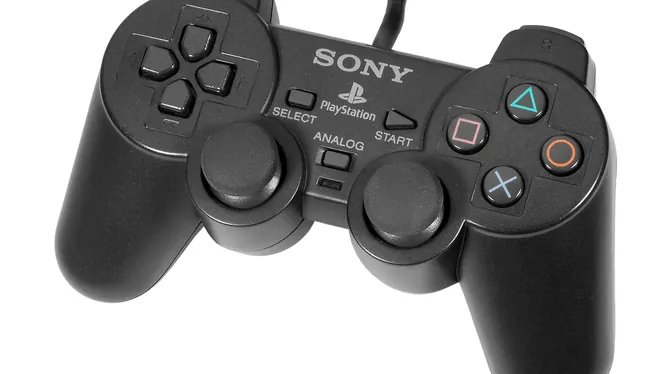
Set up keyboard and controller style play for Love Maniac on Android with this guide to input choices, Bluetooth checks, precision differences, and comfort habits.

Understand difficulty and pacing in Love Maniac with this guide to pattern learning curves, choice strategies as difficulty levers, session pacing, and honest self assessment.
Bullet-hell difficulty frightens newcomers out of proportion because the screen looks impossible before the skills exist. In Love Maniac the curve is deliberate: early encounters teach movement, middle ones combine families, and later ones test everything at honest speed. The wall is a staircase seen from the wrong angle.
Judge difficulty after five sessions, not five minutes. The genre first impression is always chaos; the fifth impression is usually a player surprising themselves.
The curve also respects returning players: openings re-teach quickly for anyone whose hands remember another bullet-hell game, so Love Maniac does not waste a veteran time on the way to its real questions.
For the complete homepage guide, visit Love Maniac download guide for Android.
Curve truth:
Strategy is a difficulty setting in disguise. Interaction heavy play extends battles and multiplies pattern exposure; direct play shortens fights and reduces what must be survived. Players stuck on an encounter often need a strategy change more than faster thumbs.
Before concluding a battle is too hard, run it once with the opposite choice philosophy. The difference regularly astonishes players who treated their style as fixed.
There is a third lever beside strategy and setup: item preparation. A battle entered with recovery stock is a longer battle you can afford to lose health in, which is a difficulty setting purchased at the shop before the first pattern appears.
Technique fundamentals are in our combat guide.
Levers to pull:
Battles breathe: dense patterns alternate with thinner moments the design intends as recovery. Players who recognise the breathing stop spending their calm during the rests and start arriving at hard sections composed. Pacing inside an encounter is a learnable reading skill, not a talent.
Menu pauses extend the breathing deliberately. Nothing in the choice menu is timed, so a player can always manufacture a rest exactly when one is needed.
Breathing also exists between battles: the walk through menus, shop, and story beats is the macro rhythm that keeps a session sustainable. Players who rush the calm parts arrive at the dense parts already spent, then blame the density.
Battle breathing:
Skill per minute is highest in the first twenty minutes of play and degrades honestly after that. The game short session design aligns with that curve, and players who obey it improve faster than marathon players with triple the hours.
End sessions while a victory is recent. The memory carried into tomorrow is the last session feeling, and ending on competence makes returning easy.
Session rules:
When a defeat feels unfair, run the test: can you name the pattern, the gap you missed, and the move that saves you next time. If yes, the death was information and the game is being fair at a level above your current reading. If the same death stays unnameable after several tries, a strategy or setup issue is hiding somewhere.
Most defeats pass the test easily, which is quietly encouraging. Fair games teach; this one teaches in a dialect that takes a week to hear.
The fair death test has a companion question for victories: can you say why you won. Unexamined victories teach as little as unexamined defeats, and Love Maniac regulars review both with the same light touch.
Death test:
Veteran videos poison self assessment because they show the hundredth attempt at a battle you are meeting for the third. The only honest comparisons in a learning genre are longitudinal: your last week against this one, measured in survival time and calm.
By that measure, steady players improve relentlessly, and the improvement accelerates exactly when they stop auditioning against strangers.
Fair benchmarks:
A battle that has beaten you six times in a session is offering diminishing returns. Sleep consolidates pattern learning measurably, and the classic genre experience is returning tomorrow to beat in two tries what consumed an evening. That is not luck; it is how motor learning files its work.
Breaks are a strategy, and scheduling them is a skill. Walk away at six honest defeats and let the night do its quiet half of your training.
Breaks also reset tilt, the emotional carry over that makes the next battle inherit the last battle anger. Tilt is the hidden difficulty setting no menu controls, and walking away is its only patch.
Setup and control choices are compared in the controls guide.
Break rules:
Rushing story beats to reach harder battles wastes the writing the battles frame. The game is compact; its pleasures are per encounter, not per hour of progress. Players who read responses, experiment with choices, and savour opponents finish the same content richer than speedrunners of identical skill.
There is no clock anywhere in this design. The only pacing authority in the game is the player, which makes haste a self imposed difficulty setting of the saddest kind.
Story pacing:
One-button mode and subtitles belong in difficulty discussions because input and information are difficulty. A player fighting an unsuitable control scheme is playing a harder game than the designer shipped, and correcting the setup is not lowering the challenge; it is restoring it.
Use every accessibility feature that fits without a moment of stigma. They exist so the intended challenge, the patterns, is the thing being tested.
Accessibility features also include the pacing ones players overlook: subtitles that remove replayed dialogue, menus that pause the world. Information delivered once, clearly, is a difficulty mercy built into Love Maniac presentation layer.
Setup honestly:
Your level is the encounter band where defeats teach and victories satisfy: roughly, battles you win within a handful of attempts. Play mostly there, reach one band up for ambition, and return to comfort battles when the day has been long. That distribution is how regulars structure months of enjoyable improvement.
The band moves as you do. Reassess monthly, celebrate the movement, and let yesterday walls become this month warm ups in the natural order of the genre.
Level management:
Short sessions change difficulty arithmetic: a player gets fewer attempts per sitting, so each attempt must teach more. Love Maniac encounter design suits this, because patterns introduce themselves honestly and a single attempt carries real information, unlike games that hide their lessons behind long runbacks.
The short session player should therefore value attempt quality over attempt quantity, reviewing each defeat briefly instead of instantly retrying into the same wall.
Short session math:
Tired play is a difficulty setting nobody selects on purpose. Reaction, reading, and patience all degrade together, and the game that felt fair at noon feels cruel at midnight for reasons located entirely in the player. Recognising the state is the adjustment; the game has not changed.
Tired sessions belong in comfort battles, story reading, and shop organisation. Ambition can wait for a rested evening, and the progress made gently while tired is still progress.
Tired rules:
Difficulty in Love Maniac is a system the player co-authors: pattern curves designed by the team, and strategy, pacing, setup, and session length chosen by the player. Most frustration attributed to the game dissolves when those player-side levers are adjusted honestly.
Find your band, pull the levers before blaming your thumbs, and let breaks and short sessions do their quiet work. The curve was built to be climbed by exactly the player you are becoming.
Revisit your level honestly after any long break from the game. Hands forget faster than pride does, and a week in the comfort band rebuilds what ego would spend a month denying it lost.
Download APKSet up keyboard and controller style play for Love Maniac on Android with this guide to input choices, Bluetooth checks, precision differences, and comfort habits.
Manage storage around Love Maniac with this cleanup guide covering the 104.5 MB file, installation room, updates, cache, and keeping an older phone healthy.

Compare Love Maniac fairly with official RPG releases in this guide covering production scale, price, updates, support, content ratings, and what fan parodies do best.