Love Maniac Keyboard and Controller Play: A Practical Setup Guide
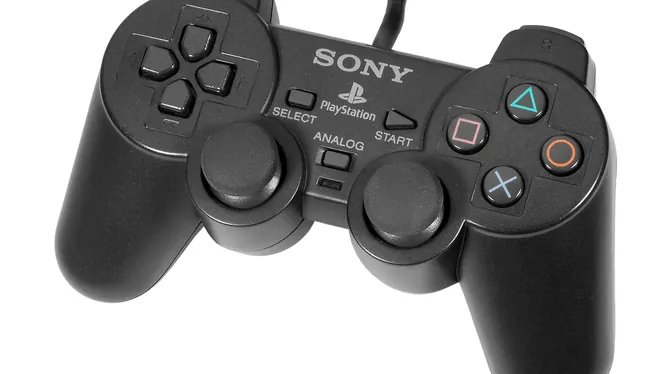
Set up keyboard and controller style play for Love Maniac on Android with this guide to input choices, Bluetooth checks, precision differences, and comfort habits.

Understand encounter choices in Love Maniac with this guide to Act interactions, the Flirt parody option, direct Attack play, and how choices shape battles and story beats.
Act options are encounter specific interactions: checking, talking, gesturing, or responding to the opponent in ways the menu names individually. They reward reading, because the right interaction often depends on what the encounter has shown about itself.
Act is also the information option. Responses to interactions reveal character and mood, teaching the player how this opponent thinks, which informs every later choice in the same battle.
New players should pair this with our gameplay guide, which places choices inside the full game loop.
Act rewards:
Flirt is the choice that announces the game genre honestly: a mature parody RPG for adults. Mechanically it behaves like the other choices, producing responses and sometimes shifting an encounter, and it is covered on this site as a mechanic, without explicit description.
Its presence also shapes tone. The option tells players from the first menu that this fan project mixes its bullet-hell battles with playful, adult themed parody writing rather than solemn fantasy.
Flirt also serves a design purpose beyond tone: it gives the encounter system a third axis, so battles cannot collapse into a binary of talk or hit. Three options create triangles of strategy that two options never could, and Love Maniac exploits that geometry constantly.
Flirt facts:
Attack trades interaction for progress. It deals with the encounter as an obstacle, shortens battles, and suits players who prefer the dodging itself, or who face a pattern set that punishes long fights.
Direct play is a complete style, not a lesser one. Many regulars attack through most encounters and save interaction for opponents whose writing they particularly enjoy.
Attack suits:
Every choice sets a clock. Interaction routes usually lengthen a battle while deepening it; direct routes shorten it while thinning the story. Neither is free: length costs survival across more patterns, brevity costs information and flavour.
Skilled players feel this trade instinctively. A fresh, healthy player buys length and story; a tired or wounded one buys brevity and safety, and both purchases are correct.
Reading responses aloud, strange as it sounds, is a genuine technique used by players of text heavy games: the ear catches repetition and change that tired eyes skim past, especially late in a session.
The trade:
Encounter responses are the feedback system for choices, and they repay close reading. A response that repeats identically suggests a loop; a response that changes suggests progress along some track the game is keeping.
Subtitles make response reading reliable in noisy play conditions. Players who read responses carefully need fewer retries to understand an encounter intentions than players who skip through text.
Response reading:
The parody writing lives disproportionately in choice responses. Opponents react, joke, and develop across a battle in ways a pure combat route never shows, which is why story focused players treat Act and Flirt as the main text of the game.
For players who came for the writing, skipping interaction is skipping the product. The battles frame the encounters; the choices furnish them.
Where writing lives:
Choices are not commitments. A battle can open with interaction, gather information and flavour, and close with direct attacks once the player has seen what the encounter offers. Mixing is what experienced play actually looks like.
The reverse also works: soften an encounter with interaction after a hard opening, when health and information both argue for a slower middle game.
The difficulty conversation also reframes fairness. A battle that is brutal for one style and gentle for another is not badly balanced; it is honestly responsive, and Love Maniac is at its best when players treat responsiveness as the mechanic it is.
Mixing well:
Two players can honestly report different difficulty for the same encounter because their choices built different battles. Interaction heavy play faces more patterns; direct play faces fewer but learns less, which can make later encounters harder instead.
When a battle feels unfair, changing the choice strategy is a legitimate difficulty adjustment available before any other. Many walls are one strategy thick.
Difficulty levers:
A reliable protocol for unknown opponents: open with observation and one interaction, read everything, and decide by the third exchange whether this battle is a story to savour or an obstacle to clear. The protocol costs little and systematises curiosity.
Regulars barely notice using it, but beginners who adopt it stop wasting both story and health, the two currencies careless first encounters burn.
Replay inversion has one more subtlety: play the second run soon enough that the first is fresh. The contrast between responses is the content, and contrast fades when the memory of the original choices fades with it.
Protocol steps:
Choice variety is the replay engine of a compact RPG. A second playthrough with opposite instincts, direct where you were curious, curious where you were direct, surfaces responses and flows the first run never showed.
Players planning a replay should note which encounters they rushed. Those are the content reserves of the next run, and they make a short game feel surprisingly larger.
The wider structure is covered in our features guide.
Replay thinking:
This site covers the choice system, including its mature parody option, in mechanical and non-explicit terms, for adult readers deciding how the game plays. That approach mirrors the game listing itself: the themes are adult, the discussion need not be graphic.
Younger readers and anyone unsure about mature themes should treat the age notice as the decision point and choose a different game. Plenty of excellent RPGs carry no such themes at all.
Style also has a social dimension in a fan community: players recognise each other by their ratios. The story completist and the dodge purist review Love Maniac like different games, and both reviews are true, which is the sign of a choices system doing real work.
Coverage principles:
Style is what remains after the learning phase: the ratio of curiosity to directness that feels like you. Some players become story completists, others become dodge purists, and the game accommodates both without punishing either.
Notice your ratio after a few sessions and lean into it. Fighting your own instincts for an imagined optimal style is how compact games become chores.
Style building:
Act, Flirt, and Attack are three relationships to every encounter: curiosity, parody, and directness. Understanding what each buys and what each costs turns the choice menu from a habit into an instrument, and battles become things you conduct rather than merely survive.
Experiment early, read responses closely, and let a personal style emerge. That style, more than any single tactic, is what a choices-driven parody RPG is actually offering its players.
If this guide leaves one habit behind, let it be reading: read the menu, read the responses, read your own health and mood before choosing. Love Maniac puts almost everything a player needs into its text, and the chooser who reads is playing a richer game than the one who merely survives it.
Download APKSet up keyboard and controller style play for Love Maniac on Android with this guide to input choices, Bluetooth checks, precision differences, and comfort habits.
Manage storage around Love Maniac with this cleanup guide covering the 104.5 MB file, installation room, updates, cache, and keeping an older phone healthy.

Compare Love Maniac fairly with official RPG releases in this guide covering production scale, price, updates, support, content ratings, and what fan parodies do best.