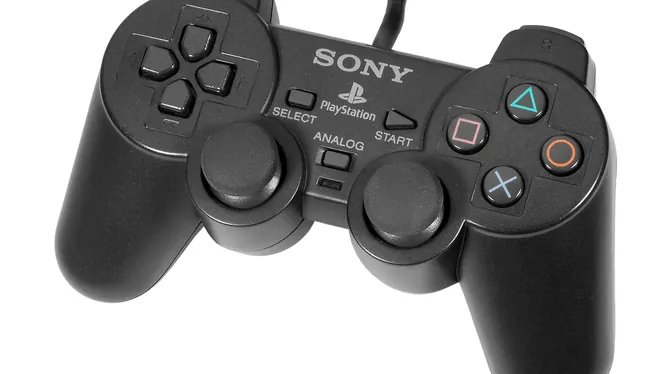
Love Maniac Keyboard and Controller Play: A Practical Setup Guide
Set up keyboard and controller style play for Love Maniac on Android with this guide to input choices, Bluetooth checks, precision differences, and comfort habits.

Start Love Maniac confidently with this beginners guide to first battles, heart-soul dodging, Act, Flirt, and Attack choices, shop basics, subtitles, and responsible adult play.
Opening Love Maniac for the first time places you in a fan-made parody RPG with pixel-art presentation and a menu-driven structure. Take a slow first tour: read the menus, note where settings and subtitles live, and start the story without rushing into options you do not yet understand.
A calm first launch teaches the layout that every later session depends on. Nothing in the opening minutes is timed, so use them freely.
Love Maniac also rewards a beginner who reads its menus literally. Every label in the opening screens means what it says, and the few minutes spent reading them repay themselves in every battle that follows, because nothing later is introduced without the menu having quietly prepared you for it.
For the complete homepage guide, visit Love Maniac Android parody RPG guide.
Before you play:
In battles you control a small heart-like soul inside an arena. That soul is you for the duration of the encounter: every pattern on screen is aimed at it, and every dodge you make moves it. Learning to watch the soul rather than the whole screen is the first real skill.
Keep your eyes soft and central. Players who stare at individual projectiles panic; players who watch the space around the soul move early and survive longer.
The soul also teaches positioning patience: it is small compared with the arena, which means most patterns threaten only a fraction of the space at any moment. Beginners who internalise that ratio stop fearing the whole screen and start managing a small, winnable neighbourhood.
Dodging basics:
Bullet-hell patterns look chaotic and are not. Most patterns in Love Maniac repeat with a rhythm, and the first seconds of an encounter are the game teaching you that rhythm. Spend them observing rather than attacking, and the rest of the battle becomes readable.
Patterns usually have gaps that travel. Moving with a gap, rather than against the flow, is the difference between a beginner who survives and one who restarts.
Familiarity compounds quickly here. A pattern survived once is recognised forever, so the intimidating variety of the first hour quietly becomes a vocabulary, and Love Maniac battles start feeling like reading rather than reacting.
Pattern habits:
Encounters pause the dodging for decisions. Act covers interaction-based choices, Flirt is the parody option that belongs to the game mature design, and Attack is the direct combat route. Beginners should try each option early, in easy encounters, to learn what each one actually does.
No choice is wasted experimentation in the opening battles. The game teaches through its responses, and early curiosity builds the judgement later battles demand.
Experimenting early also protects later progress. Choices made from knowledge beat choices made from habit, and the cheap lessons of the opening battles are the tuition for the expensive ones deeper in the story.
Choice basics:
Attack suits players who want a battle resolved directly, and it is often the clearest choice when an encounter drags or a pattern keeps catching you at low health. Direct damage shortens fights, and shorter fights mean fewer patterns to survive.
Attacking is not a failure of subtlety. It is one of the designed routes, and confident beginners use it deliberately rather than apologetically.
There is one more timing benefit to direct play: shorter battles preserve thumb stamina and concentration across a session, which matters because Love Maniac sessions often end from fatigue of attention rather than from any single defeat.
For the full battle breakdown, read Love Maniac Combat Guide: Battle System Explained.
Attack when:
Act rewards curiosity. Interaction choices can change how an encounter behaves, reveal character, or open a different resolution than combat offers. Beginners who only attack miss much of the parody writing that gives the game its personality.
If an Act option sounds specific or funny, it usually is. The game signals its interactive ideas through those labels, and following the signal is rarely wasted.
Interaction also pays a hidden dividend: opponents you have acted with behave like known quantities in later encounters. The game remembers its relationships even when the menu does not announce that it does.
Act when:
Flirt sits in the menu as part of the game parody design for adult players. This guide treats it factually: it is one of the encounter choices, it produces responses like the others, and experimenting with it in early battles teaches its place in the encounter system.
Nothing about the option requires explicit discussion to understand mechanically. It is a choice with outcomes, and beginners learn it the same way they learn Act: by trying it and reading the result.
Treating Flirt as an ordinary system is also the respectful way to treat the developers intent: Team Nebula placed it in the menu as gameplay, and Love Maniac is balanced on the assumption that players will test every route they are offered.
Treat it as:
The shop turns survival into preparation. Items bought between encounters can recover health or support a difficult battle, and beginners should visit early to learn prices before they desperately need something mid story.
Spend conservatively at first. Early game money teaches the economy, and a beginner who saves for the first genuinely hard encounter spends better than one who buys everything immediately.
Prices also teach the difficulty curve in advance. Expensive recovery stock usually signals that the coming encounters justify it, so the shop shelf is a quiet preview of what Love Maniac is about to ask of you.
Shop habits:
Health is the resource every system serves. Watch it between encounters, recover before pushing into unknown battles, and treat a low health bar as information rather than embarrassment. Most beginner defeats come from entering one battle too many on yesterday health.
Recovery items, rest points in the flow, and simple caution form the whole system. There is no shame mechanic here, only arithmetic.
Health rules:
Turn subtitles on before the story begins, even if you expect to follow the dialogue easily. Battles are noisy, dialogue is where the parody writing lives, and subtitles guarantee you catch lines that fast encounters would otherwise rush past.
Subtitles also help in shared or quiet spaces where volume stays low. Setting them once, at the start, is a thirty second decision that pays out for the whole game.
Subtitles carry one more beginner benefit: they make the game playable in genuinely quiet environments, shared rooms and late nights, where adult players most often actually find their gaming time.
Our shop and items guide explains prices and preparation in more depth.
Subtitle setup:
One-button mode simplifies input, and beginners should at least try it. Some players discover the reduced scheme suits their hands or their device better than the standard controls, and finding that out in the first hour is far better than in the tenth.
The mode changes input, not the game. Battles, choices, and story remain the same, which makes experimenting with it completely safe.
Trying the mode:
The game suits short sessions, and beginners should lean into that. Play one or two encounters, reach a natural pause, and stop while the session still feels good. Short, complete sessions build skill faster than exhausted marathons.
Know where your progress stands before closing. A moment spent confirming the game has registered your place prevents the classic lost-progress frustration.
Session habits:
Every defeat in a bullet-hell game carries information: which pattern caught you, where you stood, what you misread. Beginners who review a defeat for five seconds improve visibly within a few sessions, while players who only feel frustrated repeat the same corner traps.
The game expects retries. Its encounter design assumes players learn patterns across attempts, so a restart is the intended path, not a punishment.
A defeat journal sounds excessive for a compact game until it works. Three defeats with the same signature are a solvable problem; three defeats vaguely remembered are just a bad evening, and Love Maniac respects the difference immediately.
After a defeat:
This game is for legal-age adults only, and a responsible start reflects that: play on your own device, keep the game away from shared family screens, and never install it where minors could open it. Those habits protect everyone and cost the player nothing.
Responsible play also means respecting the fan-made nature of the project. It is a parody made by fans, and enjoying it as such keeps expectations and credit in the right places.
Responsible basics:
A gentle first week works: day one for menus and the opening story, the next days for one encounter type at a time, a shop habit by midweek, and a controls decision by the weekend. By the end of the week the game systems feel familiar rather than listed.
Keep the plan loose. The goal is comfort with battles, choices, and controls, and comfort arrives through regular short sessions far more reliably than through any schedule.
Week one:
Love Maniac rewards beginners who learn its two rhythms separately: calm observation inside bullet-hell patterns, and curious experimentation with Act, Flirt, and Attack between them. Shop preparation, subtitles, and short sessions hold the whole structure together.
Play responsibly as an adult on your own device, expect defeats to teach rather than punish, and let the first week build familiarity at its own pace. The game is a fan-made parody with real mechanical depth, and it opens up quickly for players who start it properly.
Above all, beginners should remember that Love Maniac was made by fans for players who enjoy learning a system. Nothing in its opening hours is a trick, every mechanic announces itself, and the player who reads, experiments, and rests between sessions will feel competent surprisingly soon.
Download APKSet up keyboard and controller style play for Love Maniac on Android with this guide to input choices, Bluetooth checks, precision differences, and comfort habits.
Manage storage around Love Maniac with this cleanup guide covering the 104.5 MB file, installation room, updates, cache, and keeping an older phone healthy.

Compare Love Maniac fairly with official RPG releases in this guide covering production scale, price, updates, support, content ratings, and what fan parodies do best.